Power systems / UAV, UAS and autonomous platforms
Energy, engineered into flight.

We manufacture the EL70, a 21700 cell built for endurance, and engineer the modules and packs built on it.
Cell to system
Four states, one system
What a pack programme consists of, in the order it is built, starting from the cell we manufacture. Each state names the engineering work it involves and what you are left holding at the end of it.


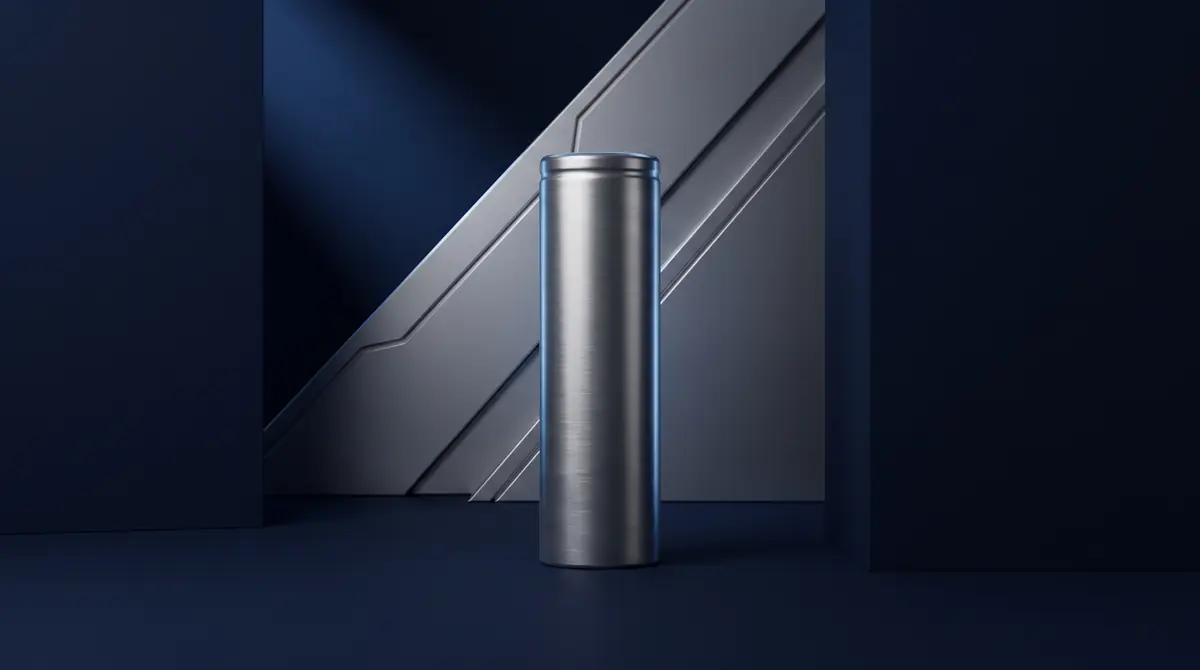
ELITIUM EL70 cell
- Engineering work
- The programme starts from a cell we own the specification of: the EL70, a 21700 with two charge profiles to choose between.
- Deliverable
- A selection record naming the cell, the criteria it was chosen on and the assumptions that follow from it.
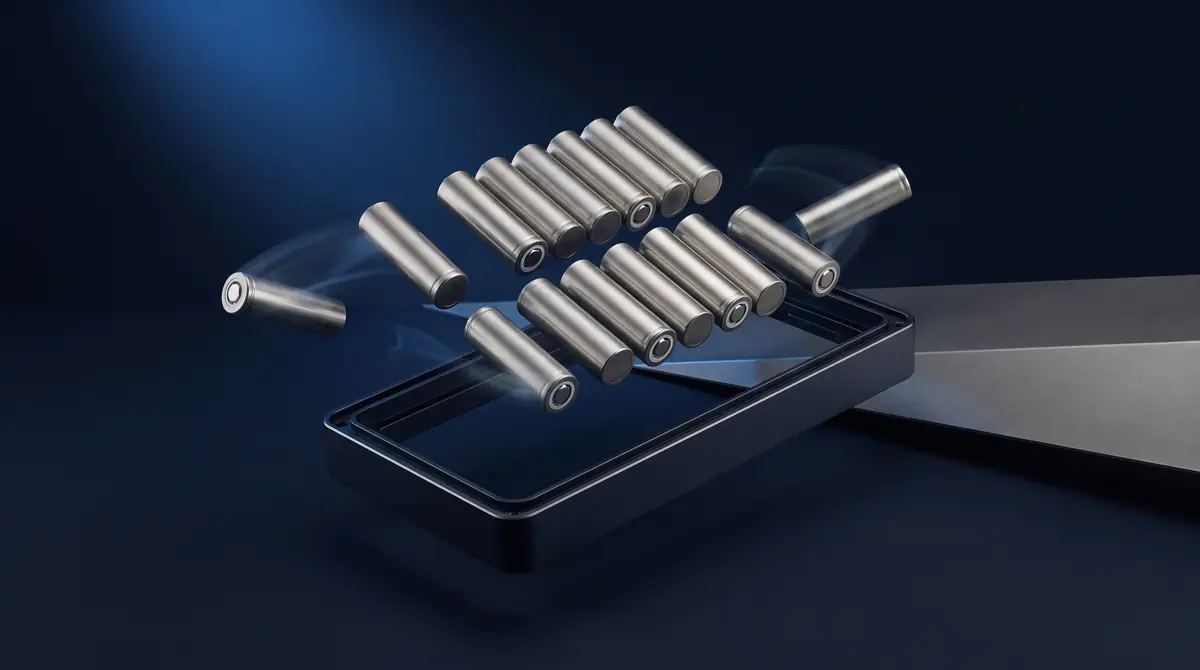
Module architecture
- Engineering work
- Series and parallel topology, interconnection method, current paths, mechanical retention and the thermal behaviour that the arrangement itself decides.
- Deliverable
- A module architecture with calculated margins and the trade-offs written down beside them.

Battery pack
- Engineering work
- Management and protection electronics, thermal path, enclosure, connectors and telemetry brought together as one assembly with defined operating conditions.
- Deliverable
- A drawing set, a connector schedule and the conditions under which the pack may be operated.
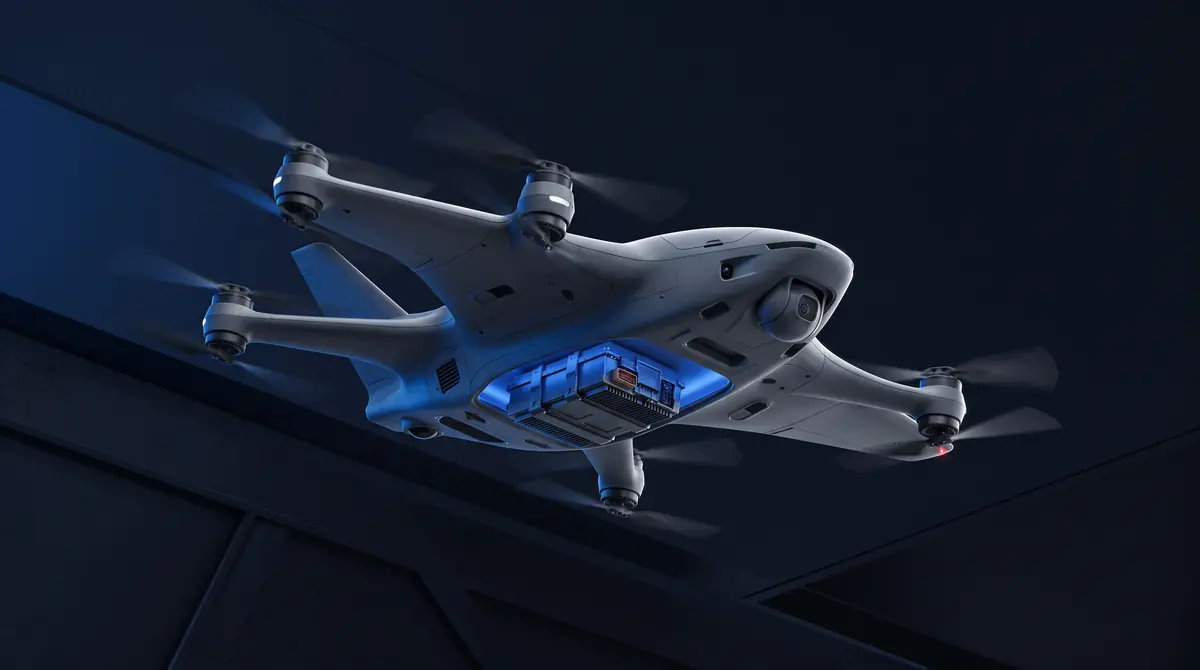
Platform integration
- Engineering work
- Mounting, harness routing, mass and balance, interface behaviour and acceptance resolved with the platform team rather than handed over at the bench.
- Deliverable
- An integration package and an acceptance procedure both engineering teams sign.
Rendered visualisations. Not photographs of a facility, a laboratory, a test or a delivered unit.
Our cell
ELITIUM EL70
A 21700 built for one thing: the most energy a gram can carry. Two charge profiles turn the same cell into two products — an endurance cell for missions where every watt-hour is range, and a standard cell for platforms that fly again tomorrow.
- Standard
- 6000 mAh · 850 cycles
- 4.20 V → 2.50 V
- High energy
- 6700 mAh · 50 cycles
- 4.45 V → 1.80 V
What the EL70 does that a standard 21700 does not
24.8 Wh+18 %
More watt-hours out of the same cell
Same cell, same 21700 footprint, same mass. The extra energy comes from the charge profile, and eighteen per cent more energy is eighteen per cent more time in the air.
≥344 Wh/kg
Energy per gram, where grams decide the mission
Figured at the maximum cell mass, so the real cell can only be better. Every gram that does not fly is a gram of payload that can.
60 A150 A / 2 s
Capacity without paying for it in current
A pack built on this cell does not have to choose between endurance and the power an airframe asks for on climb-out or in a burst.
−40 °C50 %
It still works at forty below
Half of rated capacity at −40 °C, and it discharges up to 75 °C. Winter and altitude stop being a separate engineering problem.
The comparison is against this same cell charged to 4.20 V.
What ELITIUM engineers
Three bodies of work
Everything a pack programme runs through falls into three: the need it answers, the work it covers, and what you are left holding.
01
Cell selection and architecture
- Need
- Cell choice decides endurance, power delivery and service life before any other decision is available.
- What we do
- Chemistry and format are selected against a written requirement set, and the electrical, thermal and mechanical architecture is designed around that selection.
- What you get
- An architecture with stated assumptions, calculated margins and the trade-offs made visible.
02
Module and pack engineering
- Need
- A correct cell in a wrong arrangement is still a wrong pack.
- What we do
- Topology, interconnection, management and protection, thermal path, enclosure and telemetry are engineered as one assembly rather than as parts that meet late.
- What you get
- A released drawing set, a connector schedule and defined operating conditions.
03
Integration, validation and delivery
- Need
- A pack that is correct on the bench can still be wrong in the airframe, and procurement needs to know what may change.
- What we do
- Mounting, harness routing and interfaces are resolved with the integration team; test conditions are defined before testing; revision control and acceptance are agreed before production.
- What you get
- An integration package, recorded test evidence and a controlled revision history for every part number.
ELITIUM manufactures the cells in the catalogue and engineers the packs built on them. This is how a pack programme is run.
Where this work is aimed
Two directions, and the constraint each one puts on a pack.

UAV and UAS
- Platform constraint
- Endurance is bought with mass, and every gram of pack is a gram not spent on payload or airframe.
- Engineering priority
- Energy density at the pack level, not the cell level: interconnection, retention and enclosure are where the mass is won or lost.
Tell us the airframe, the mission profile and the mass budget you are working against.
Autonomous platforms
- Platform constraint
- Duty cycles are long and irregular, and a platform that services itself rarely is one that cannot be opened often.
- Engineering priority
- Thermal behaviour and service life under the real duty cycle, with telemetry that makes pack state legible before a failure.
Tell us the duty cycle, the environment and the service interval you need to hold.
Engineering journey
Five steps of a programme
The five steps a programme moves through, whatever its size.
- 01
Requirement
Mission profile, envelope, interfaces and constraints written down and agreed.
- 02
Architecture
Chemistry, topology, thermal and mechanical design against the stated requirement.
- 03
Prototype
A physical unit built to the drawing set, instrumented for measurement.
- 04
Validation
Testing against the agreed conditions, with methods and results recorded.
- 05
Supply
Controlled revisions, defined acceptance and a documented production process.
Technology & Quality
Quality is a method
Quality is a method, not an adjective. This is the sequence every pack runs through before it flies.
Architecture
Design decisions recorded with their assumptions, so a reviewer can follow the reasoning.
Validation
Test conditions defined before testing, results recorded whether or not they flatter the design.
Production control
A build follows a released process; a change to that process is a controlled event, not a bench decision.
Traceability
Cells, sub-assemblies and packs carry identifiers that link a unit back to its build and test records.
Documentation
A delivered pack carries the document set agreed at the start of the programme.
Start an engineering conversation
Tell us the platform and the constraint you are working against.
Contact the engineering team